Permanent makeup treatment overview
Permanent makeup — also called semi permanent makeup, cosmetic tattooing or micropigmentation — implants cosmetic-grade pigment into the upper layers of the skin to enhance brows, lips and eyes. At Sophia Rachel Cosmetics the guiding principle is restraint: the strongest compliment a client can receive is that they look well, not that their makeup looks good.
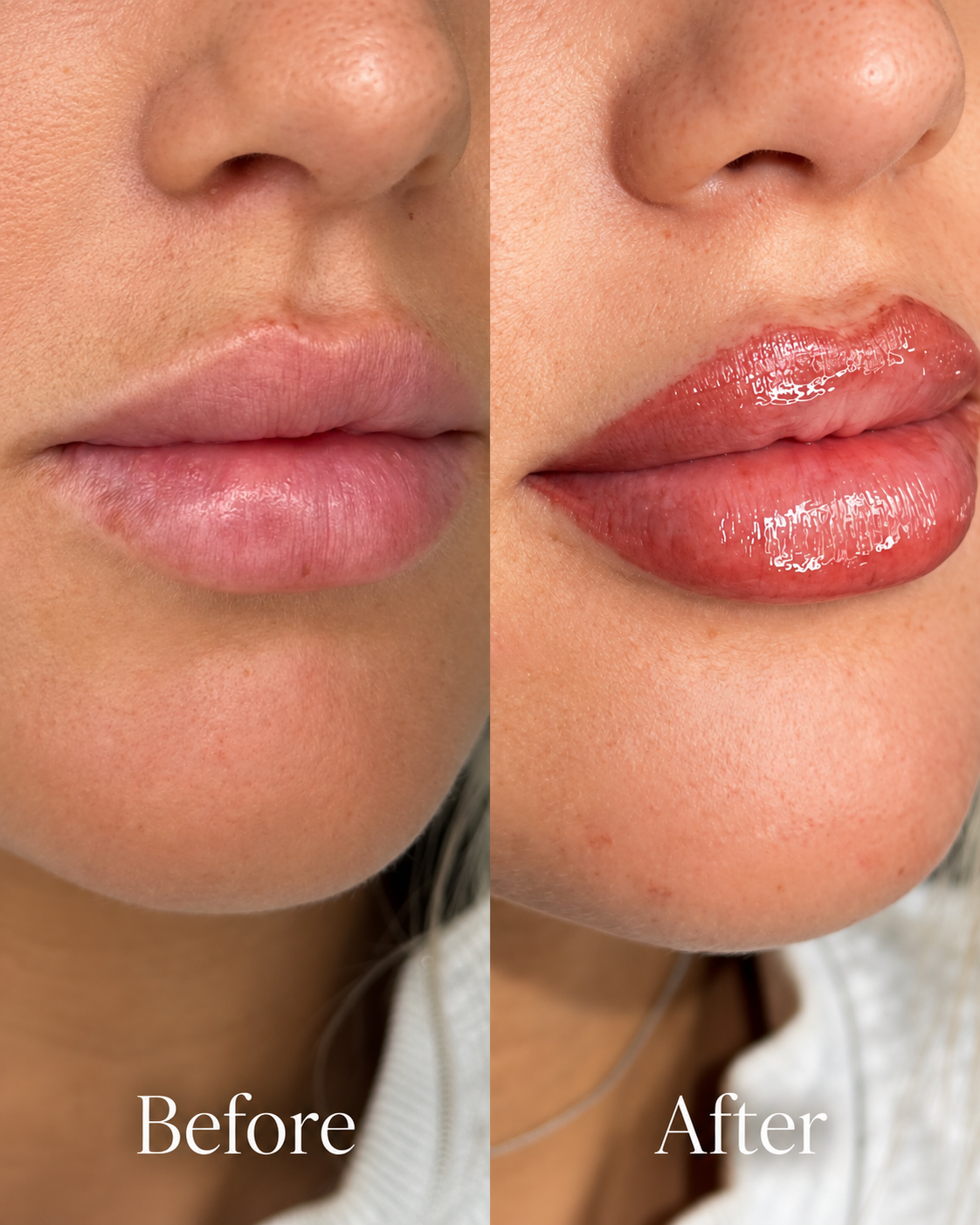
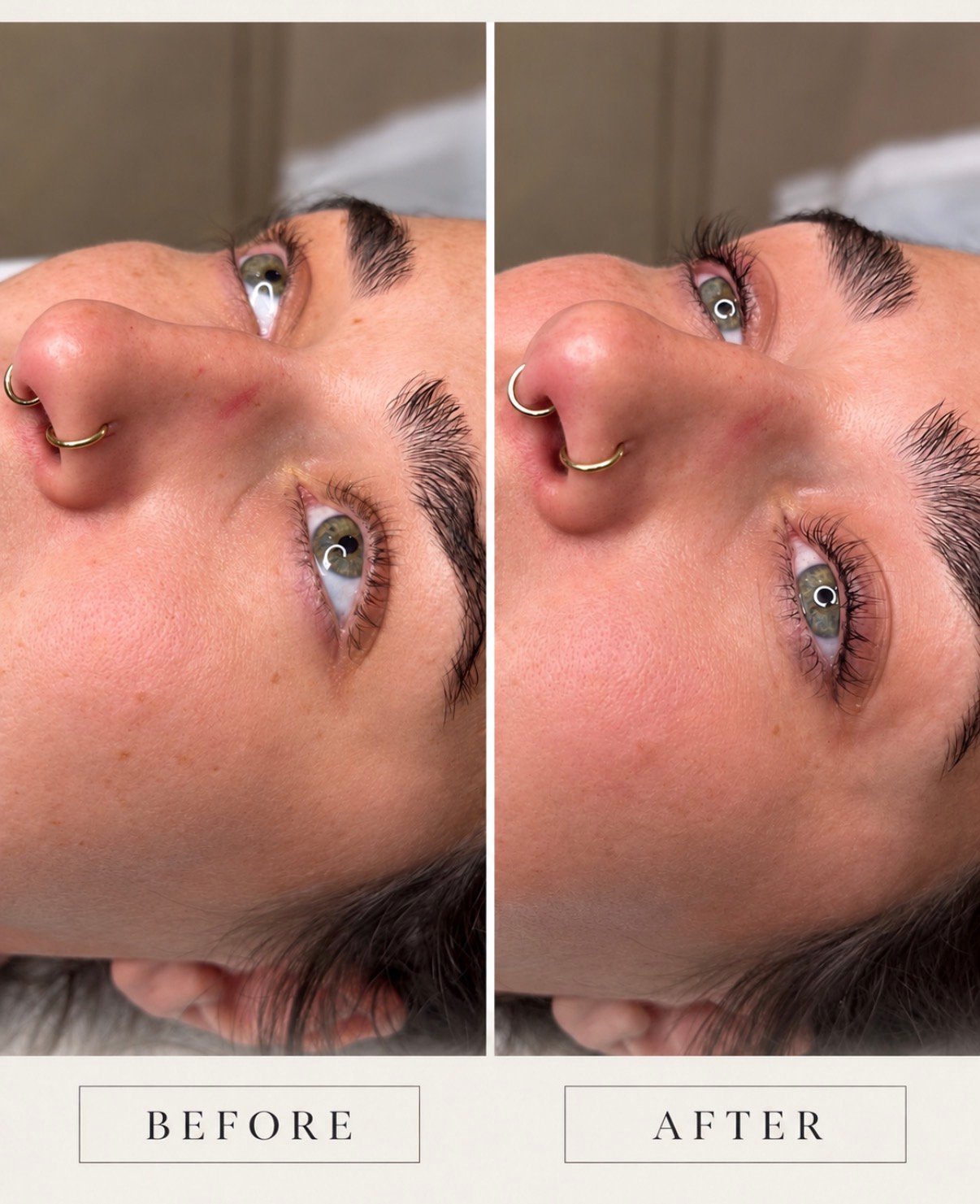
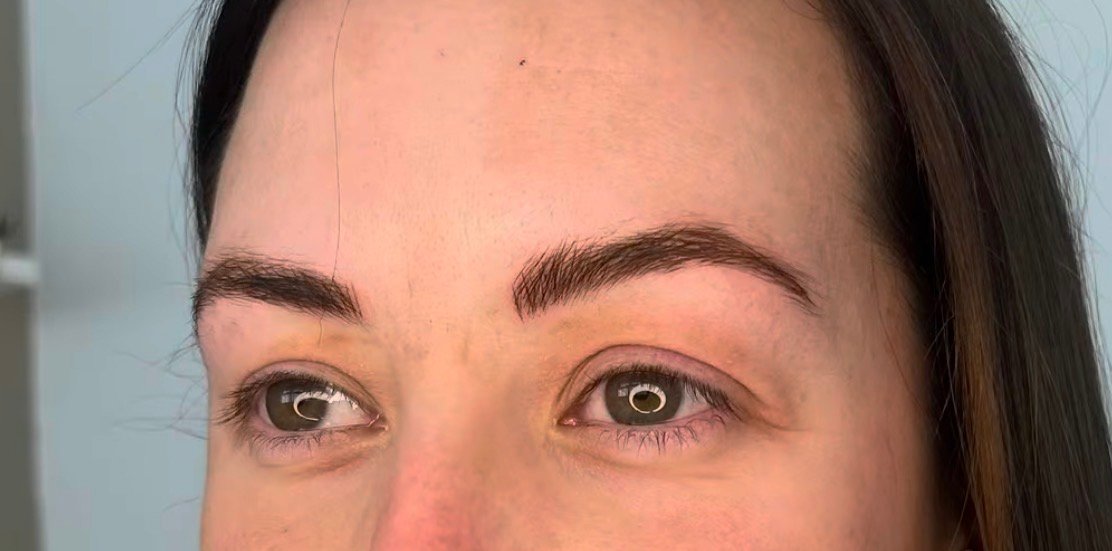
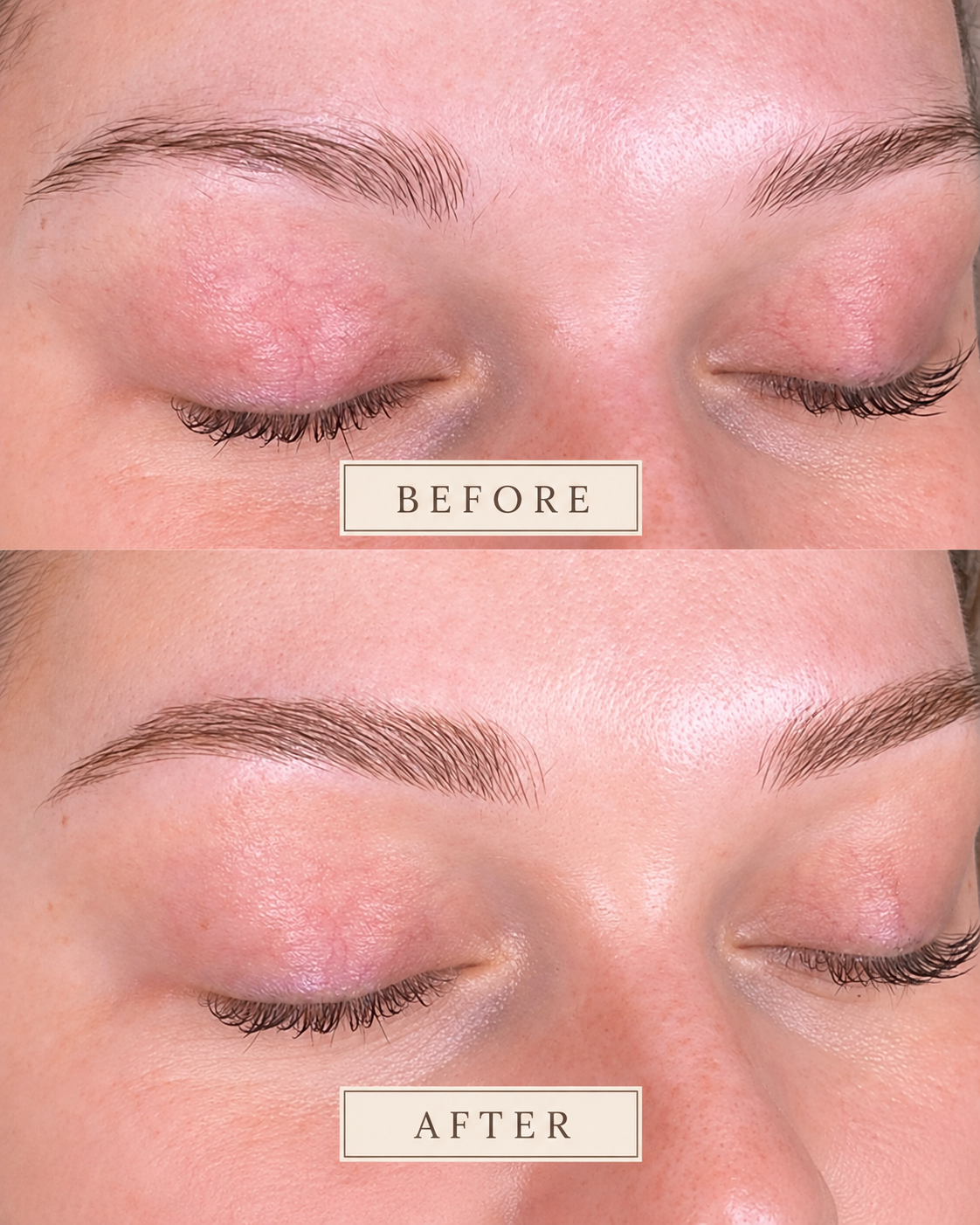
Brow work is offered as nano hair strokes for clients with good skin condition who want individual, hair-like detail; soft shading for oilier skin or fuller coverage; and combination brows, which layer strokes over a light shaded base for definition that lasts. Lip and eye work is covered in detail on our dedicated lip blush and permanent eyeliner pages.
All treatments use single-use sterile needle cartridges, disposable barriers, and pigments compliant with UK and EU cosmetic regulations. Sophia is licensed by the local authority for semi permanent makeup and holds current blood-borne pathogen certification.
Benefits of semi permanent makeup
- A finished, symmetrical face from the moment you wake
- Restores brows lost to over-plucking, alopecia, thyroid conditions or chemotherapy
- Ideal for clients with limited dexterity, tremor or reduced close vision
- Saves twenty minutes or more every morning
- Waterproof and transfer-proof through swimming, sport and humidity
- Balances natural asymmetry that makeup struggles to correct
- Photographs and video-calls beautifully
- Fades gradually, allowing your look to evolve rather than locking it in
Who is permanent makeup suitable for?
Most healthy adults over eighteen are suitable. We treat clients in their twenties who want low-maintenance definition, clients in their forties and fifties restoring brows thinned by years of plucking or hormonal change, and clients in their seventies who simply find makeup harder to apply than it used to be.
Permanent makeup is also genuinely valuable for medical reasons: alopecia, trichotillomania, vitiligo, cleft-related asymmetry and post-chemotherapy hair loss all respond well to careful micropigmentation, with GP clearance where appropriate.
It is not suitable during pregnancy or breastfeeding, with uncontrolled diabetes, active skin conditions in the treatment area, keloid scarring tendencies, blood-thinning medication without GP approval, within six months of Roaccutane, or within two weeks of Botox and four weeks of filler in the treatment area.
Your consultation process
A permanent makeup consultation in Surbiton is unhurried and diagnostic. Sophia assesses skin type and oil levels, existing hair pattern, facial symmetry, bone structure and how your features move when you talk and smile. Skin condition dictates technique: nano strokes blur on very oily skin, so a combination approach protects your result.
Mapping is done with calipers and a cosmetic pencil to establish proportion against your own features, never a formula. You will see the drawn design in a mirror in natural light and can request changes as many times as you need. Colour is swatched on the skin and selected against your undertone, natural hair colour and how greying will affect your ideal shade over the next few years.
We finish by discussing longevity, refresh intervals, cost and the aftercare commitment so that your decision is fully informed.
The treatment procedure step by step
After final approval of shape and colour, topical anaesthetic is applied for twenty minutes, then reapplied once the skin is open. Work proceeds in structured passes: outline and framework first, then density, then refinement of tails and transitions.
Sophia stops regularly so you can sit up and review progress in the mirror. Detail is compared from a conversational distance rather than up close, because that is how your face is actually seen. Depth is controlled carefully — pigment placed too deep migrates and greys, which is the single most common fault in poorly executed permanent makeup.
The area is cleansed, soothed and photographed, and you leave with written aftercare, a barrier balm and a perfecting session booked for six to eight weeks later. That second appointment is where good permanent makeup becomes excellent.
Healing and recovery timeline
Days one to three: colour looks bolder and more defined than the healed result, with mild redness or tenderness. Days three to seven: light flaking begins and the area may itch — it must not be scratched. Days seven to ten: flaking completes and colour looks unexpectedly pale as a fine layer of new skin sits over the pigment.
Weeks two to five: pigment resurfaces and true tone appears. Week six to eight: your review appointment, where Sophia adds density, adjusts tone and perfects symmetry now that the skin has revealed how it holds pigment.
Keep the area dry for the first 48 hours, avoid heavy sweating for a week, and protect it from sun exposure for a month.
Expected results
A well-executed permanent makeup result is soft, symmetrical and undetectable as tattooing at conversational distance. Brows should follow your natural growth direction, lips should look like your own colour improved, and liner should read as lash density.
Longevity ranges from eighteen months to three years depending on technique, skin type, sun exposure and skincare. Oily skin and acid-based routines fade pigment faster. An annual colour refresh keeps everything looking deliberate rather than tired.
Aftercare advice
- Keep the treated area completely dry for 48 hours
- Apply the supplied balm sparingly with clean hands or a cotton bud
- Do not pick, scratch or peel flaking skin at any stage
- Avoid exercise, sauna, steam, swimming and sunbeds for two weeks
- No facials, peels, microneedling or laser over the area for four weeks
- Use SPF 50 daily once healed — sun is the main cause of premature fading
- Avoid retinol, glycolic and salicylic acids over the area for four weeks
- Attend your six to eight week perfecting session